
Searching for Hunter S. Thompson in Laos
Posted: January 7, 2026 Filed under: writers Leave a comment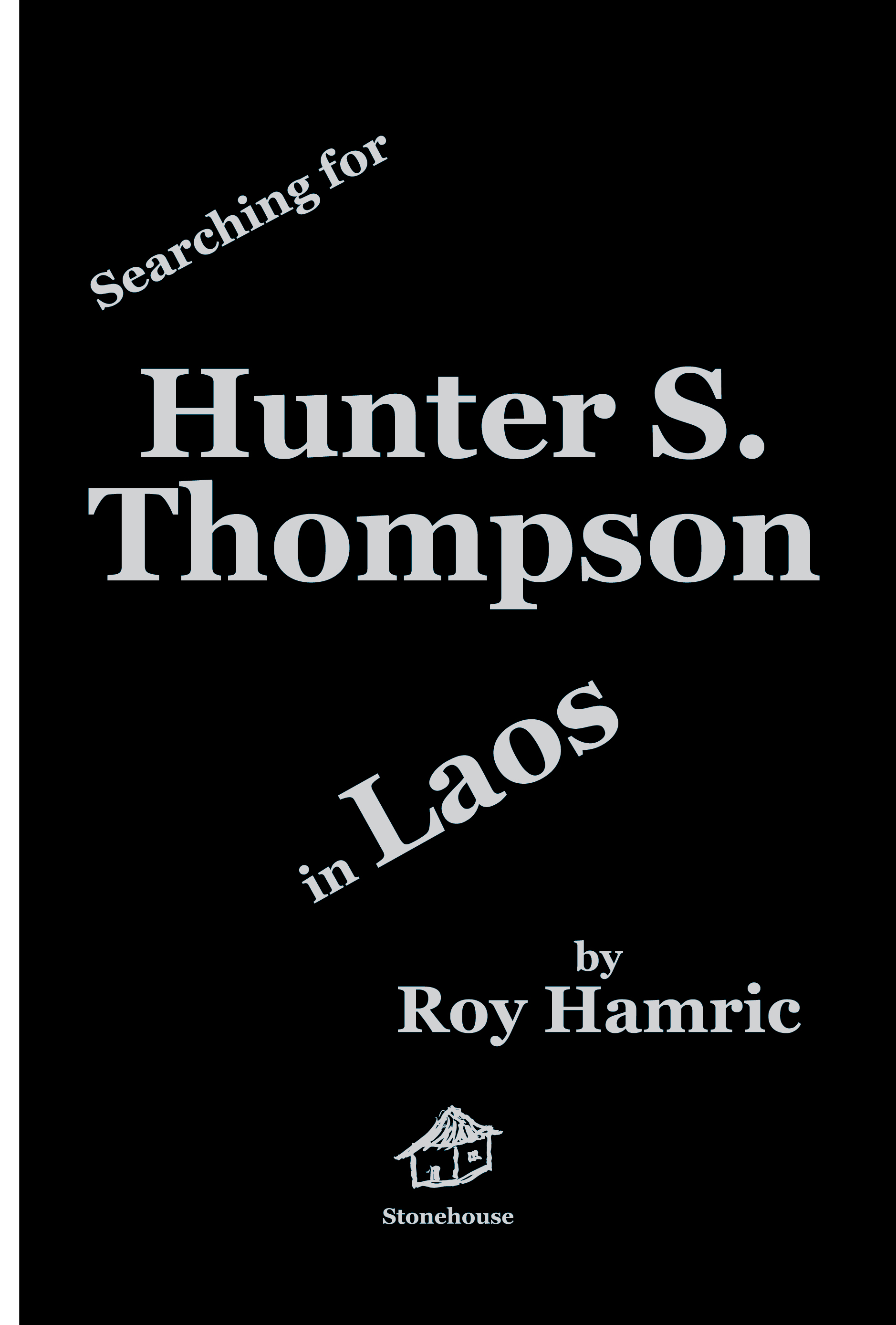
Searching for Hunter S. Thompson in Laos, and other essays on the Asian road, is an autobiography of a life lived in Asia. Hunter S. Thompson made a little known visit to Vientiane, Laos, and Hong Kong in 1975, only a few weeks before the fall of Vietnam. Writer Roy Hamric tracked down and talked with people who met with Thompson and he gives readers a vivid picture of a frustrated Thompson in Hong Kong and Vientiane. His account adds to the picture of one of America’s premier journalists.
Other essays bring to life the writers Red Pine, Gary Snyder, Jim Harrison, Thomas Merton and the author’s immersion into Buddhism and Asian culture since his marriage to a Thai village girl.
My autobiography and essays on Asia can be ordered from Amazon in hardcover, paperback, and e-book.
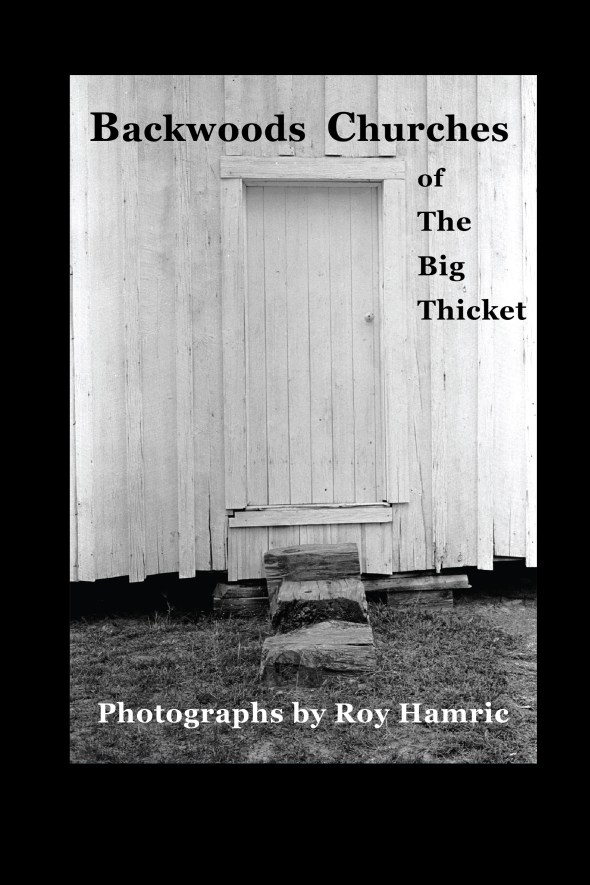
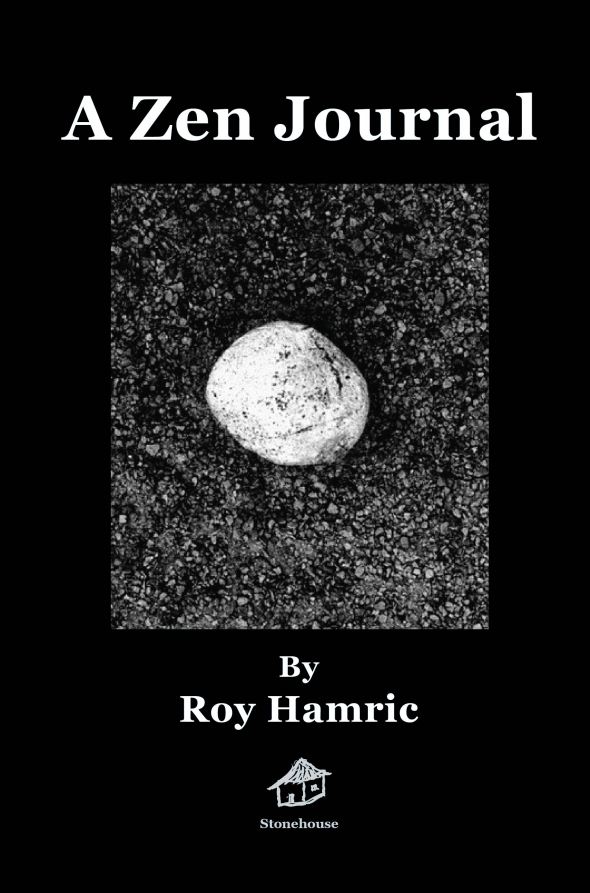
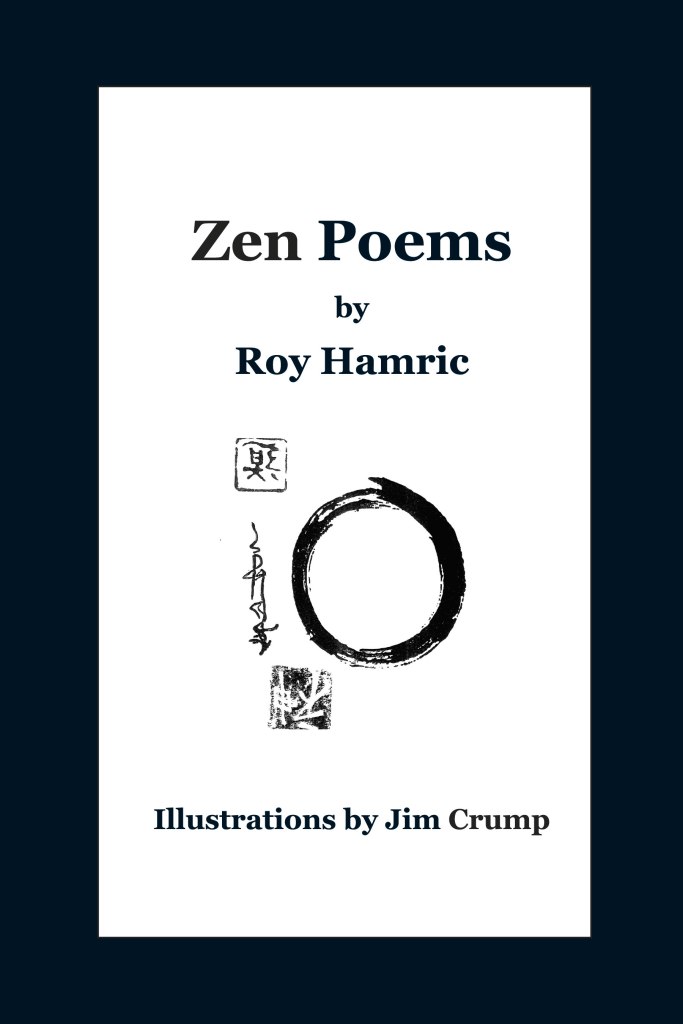
Also see Backwoods Churches of the Big Thicket, A Zen Journal and Zen Poems at Amazon.
More Montaigne: Quotes from the Autobiography:
Posted: October 20, 2026 Filed under: books, writers Leave a commentWe must not in our decrepitude impose upon our judgement. When I was young, I had sense enough to see the vice that lies in pleasure; and now, despite the dulling of my palate, I can still see the pleasure that lies in vice.
To give yourself over to Nature with the utmost simplicity is to do so with the utmost wisdom. Oh…[how] wholesome are ignorance and curiosity—for the rightly formed head.
To learn that you have said or done a foolish thing is nothing. You must learn that you are nothing but a fool—a much more comprehensive and valuable lesson.
All I have reaped from my learning merely goes to show me how much more I have to learn.
Dogmatism and assertiveness are the express signs of stupidity.
It is by my own experience that I accuse mankind of ignorance; and this, I believe, is the most fertile lesson to be learn in the school of the world.
So, too, we must learn to endure what we cannot evade.
As living grows briefer, I must make it grow deeper.
I have always observed a singular accord between supercelestial ideas and subterranean behavior.
Even when perched on the loftiest throne in the world, we are still sitting on our own behind.
The most beautiful lives, in my opinion, are those which conform to the common and human nature—orderly, but without miracle or extravagance.
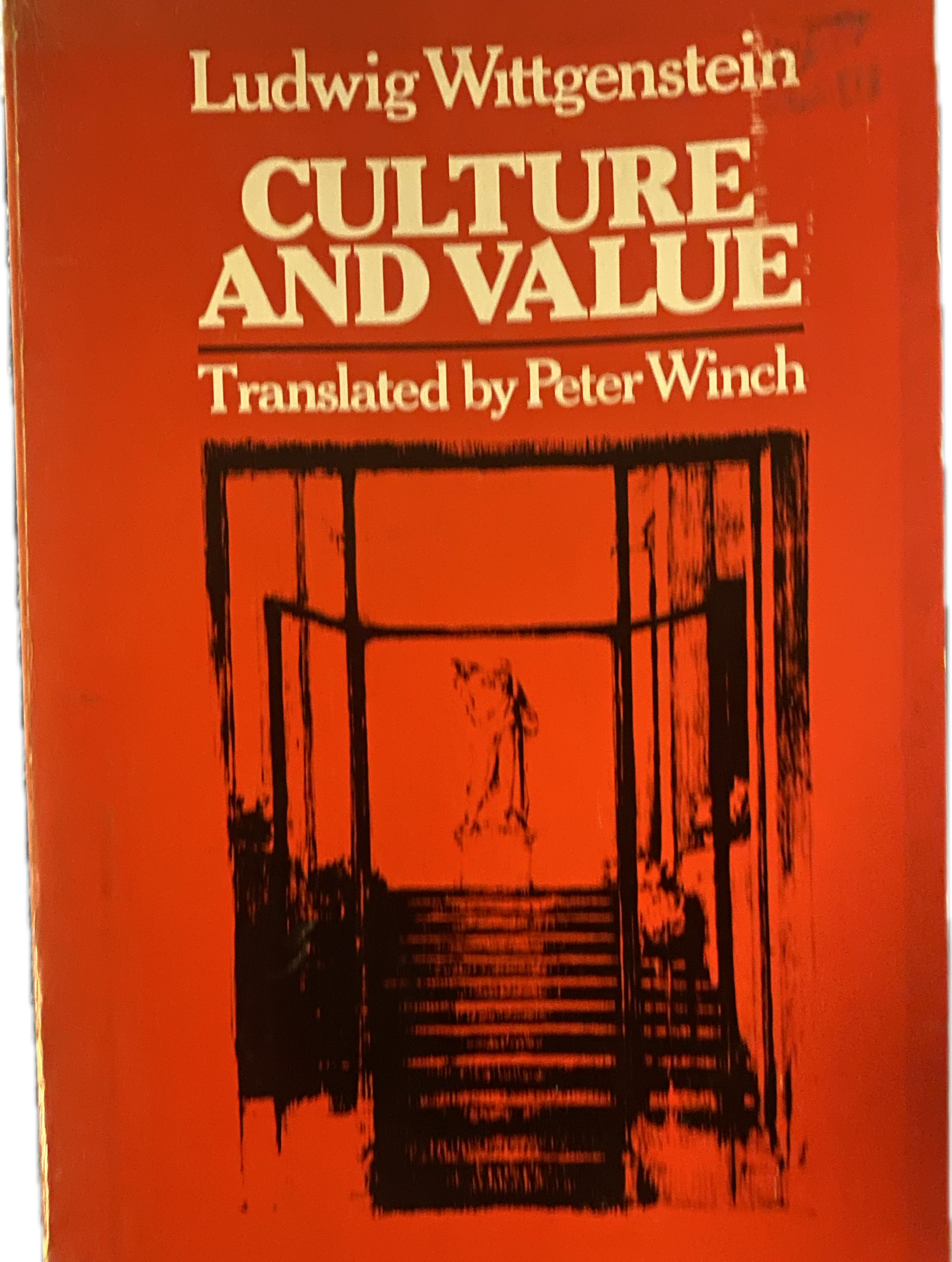
Ludwig Wittgenstein, the philosopher, said:
Posted: October 6, 2026 Filed under: Uncategorized Leave a comment“The truly apocalyptic view of the world is that things do not repeat themselves. It isn’t absurd, e.g., to believe that the age of science and technology is the beginning of the end for humanity, that the idea of great progress is a delusion, along with the idea that truth will ultimately be known, that there is nothing good or desirable about scientific knowledge, and that mankind, in seeking it, is falling into a trap.
The Autobiography of Michel de Montaigne
Posted: October 6, 2026 Filed under: Uncategorized | Tags: books, christianity, history, philosophy, religion Leave a commentThis selected and arranged collection of autobiographical writing of Montaigne captures the life and character of the great essayist. I’ve put off reading Montaigne’s essays (three volumes). Now with his personality vividly captured in this compilation, I’m anxious to read the essays. Montaigne was a soldier and regional politician and sometimes courtier who was the lord of an estate and the recipient of a fortune that left him free to read, write and think. However, this “autobiography,” brutally honest, paints a picture of a man who called himself lazy. He was courted by the leading philosophers, politicians and royalty of his era. He wrote in the late 1500s, a time of dire, tragic civil wars in France which raged throughout his life. What struck me most was his ability to rise above the hatred of his times, fueled by the hateful religious dogma centered around Protestants and Catholics.
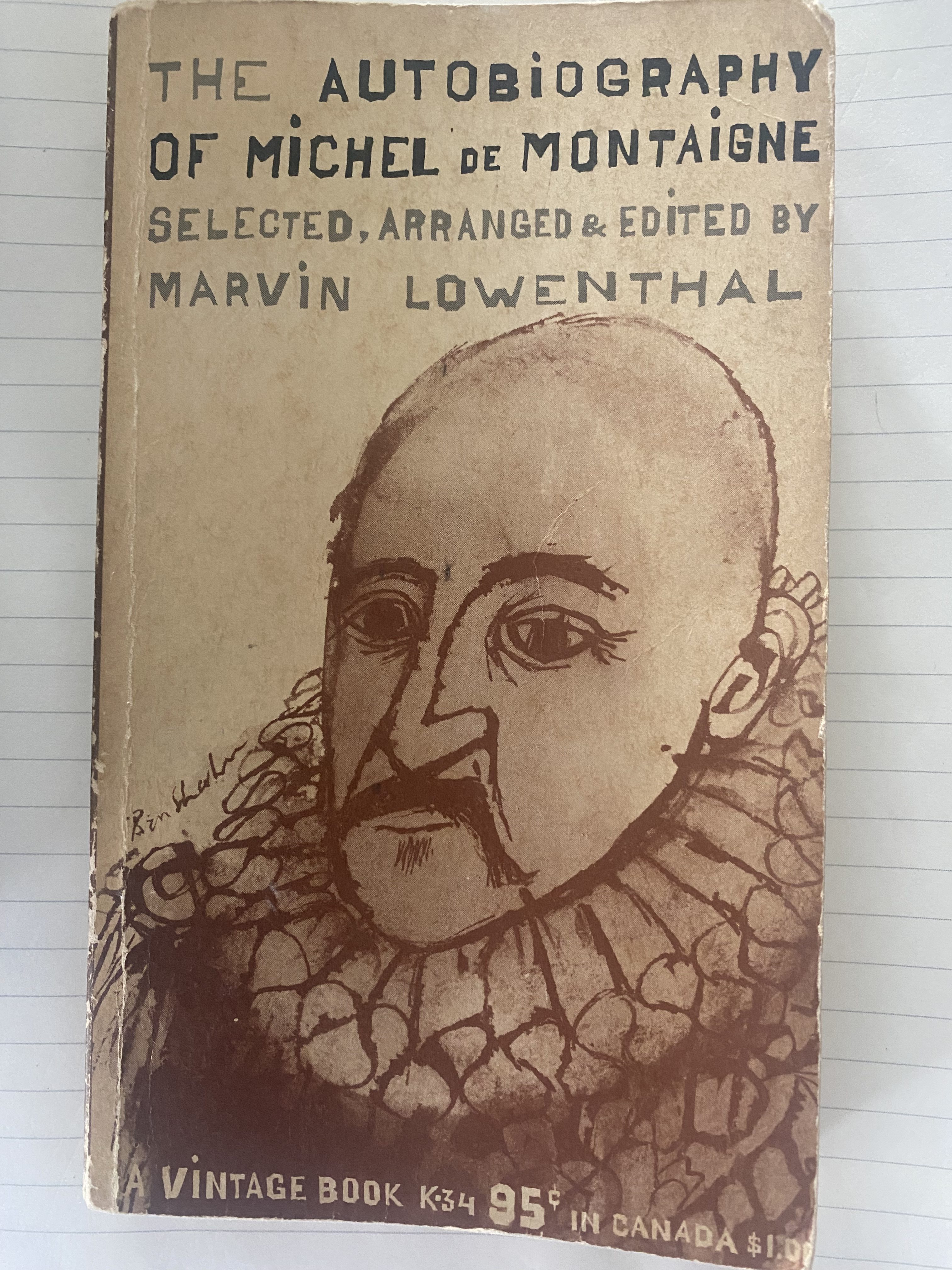
He reached the conclusion that truth, religious belief and faith are all based on guesses. They are the guesses of an individual, or they are enshrined in custom or habit. For the society of his time, beliefs were truth and truth must be made to prevail— routinely by fire and sword. Entire nations were laid to waste to save the world for religious Truth.
If men could abide by religious tolerance, the adage Live and let Live and respect for life could prevail, but there are people who propose to gag others in order to make them speak as they believe they ought. There are people who would kill men, women and children to teach them how to live. Others would destroy a nation to turn it into a paradise. Science and philosophic reason were yet to overcome dangerous religious dogma, which fueled centuries of violence, terror and burnings at the stake.
Montaigne represented sanity in the midst of insanity. How far have we come?
Far. But not far enough.
The Garden of Eden
Posted: September 15, 2026 Filed under: Uncategorized Leave a comment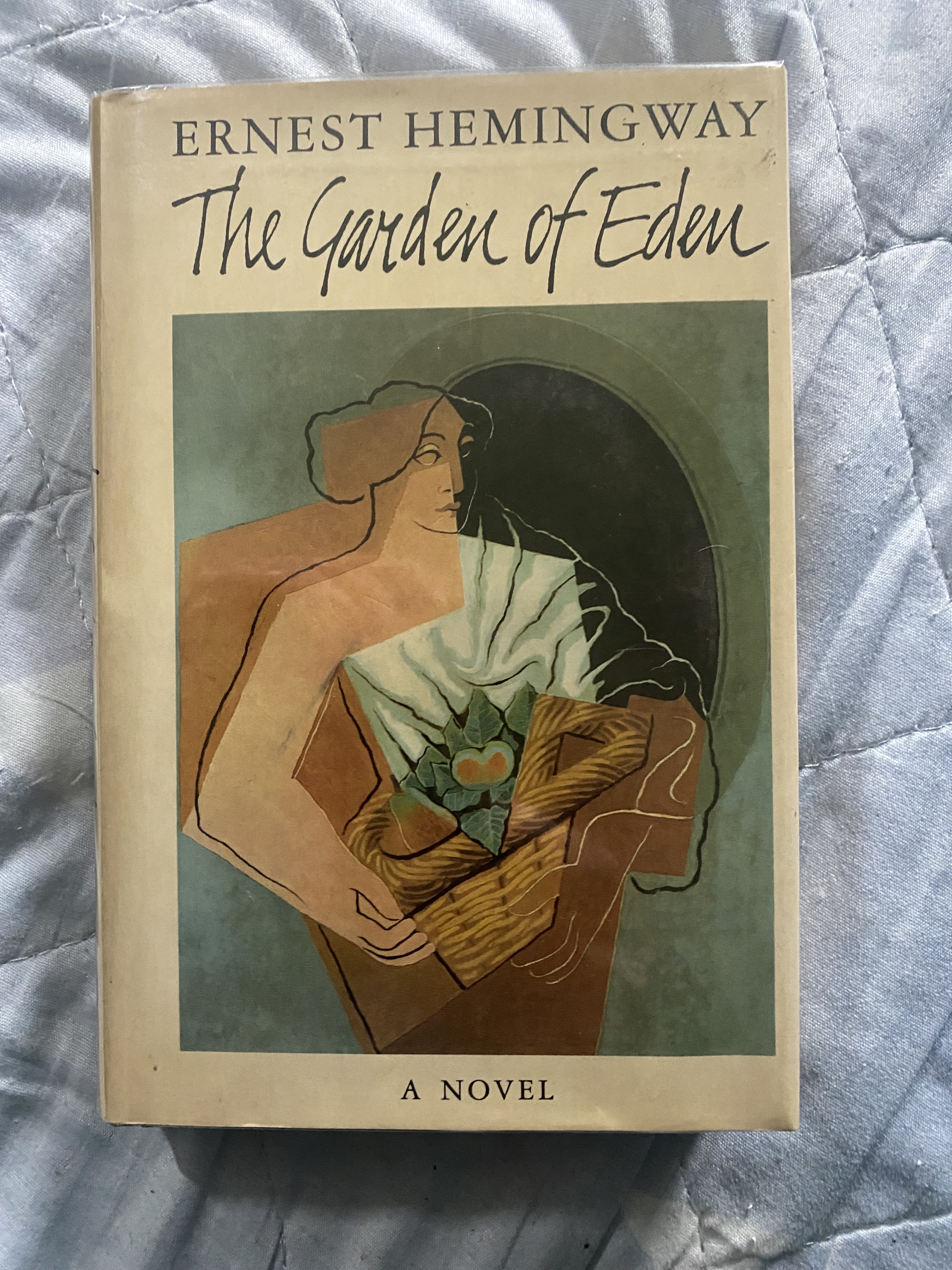
This amazing novel looks at the period of Ernest Hemingway’s breakup with his first wife Hadley in Paris. In terms of biographical history, it overlaps with A Moveable Feast and goes beyond it in fiction to his marriage to his second wife, Pauline. It’s the story of a man who is in love with two women, one is his wife and the other is a woman set on destroying a marriage and claiming the man for her husband. The book is strangely erotic and offers up various interpretations of gender issues. Hemingway said the book’s theme was “the [ideal] happiness of the Garden that a man must lose.”
My take on this book is that it is an essential key in the understanding of Hemingway’s struggle to absorb the pivotal events of his early life and marriage. I believe he never reconciled the events around his love of two women at the same time.
The tragedy of The Garden of Eden is the Truth that everything is doomed to be lost: Life itself is a two sided sword: a potential ideal that is destined to be lost — nothing last, and it’s a true tragedy in everyone’s life.
Such themes are not overtly dwelled upon by Hemingway and the dictum : “What you leave out of a story is as important as what you leave in” applies here.
Hemingway leaves readers with a mesmerizing look at the perils of love and the challenges of living a life without tragedy.
A Moveable Feast
Posted: September 15, 2026 Filed under: Uncategorized Leave a commentThis was my third or fourth reading of Hemingway’s A Moveable Feast. Anyone who criticizes any of Hemingway’s books is confronted with the need to tell it like it is: One side of Hemingway’s character was fatally flawed. He would be a hell of a handful to put up with. Many people tried and failed. On the other hand, the man was a genius of style and deserves all the plaudits that can be bestowed on him for his courage in dealing with a life where he was blessed with genius and burdened with immaturity, fear and some DNA that is still be analyzed to determine what made him who he was. The story of his rise to mythological standing is of itself a one-of-its-kind tale.
This memoir of his early life in Paris contains numerous cringe-worthy stories that underscore the nasty asides and venom that besmirch the many beautiful passages that make for a touching but tragic love story that haunted Hemingway for the rest of his life. The book reveals the problem Hemingway had: He was chronically unable to give other writers breathing space. If they were dead they could be exempted. If they were alive and competitors, they must be cut down to at least one grade below Hemingway and stained with some unsightly flaw.
One amazing fact: Hemingway acknowledged his character flaws but could never rise above them.
Islands in the Stream
Posted: September 15, 2026 Filed under: Uncategorized Leave a comment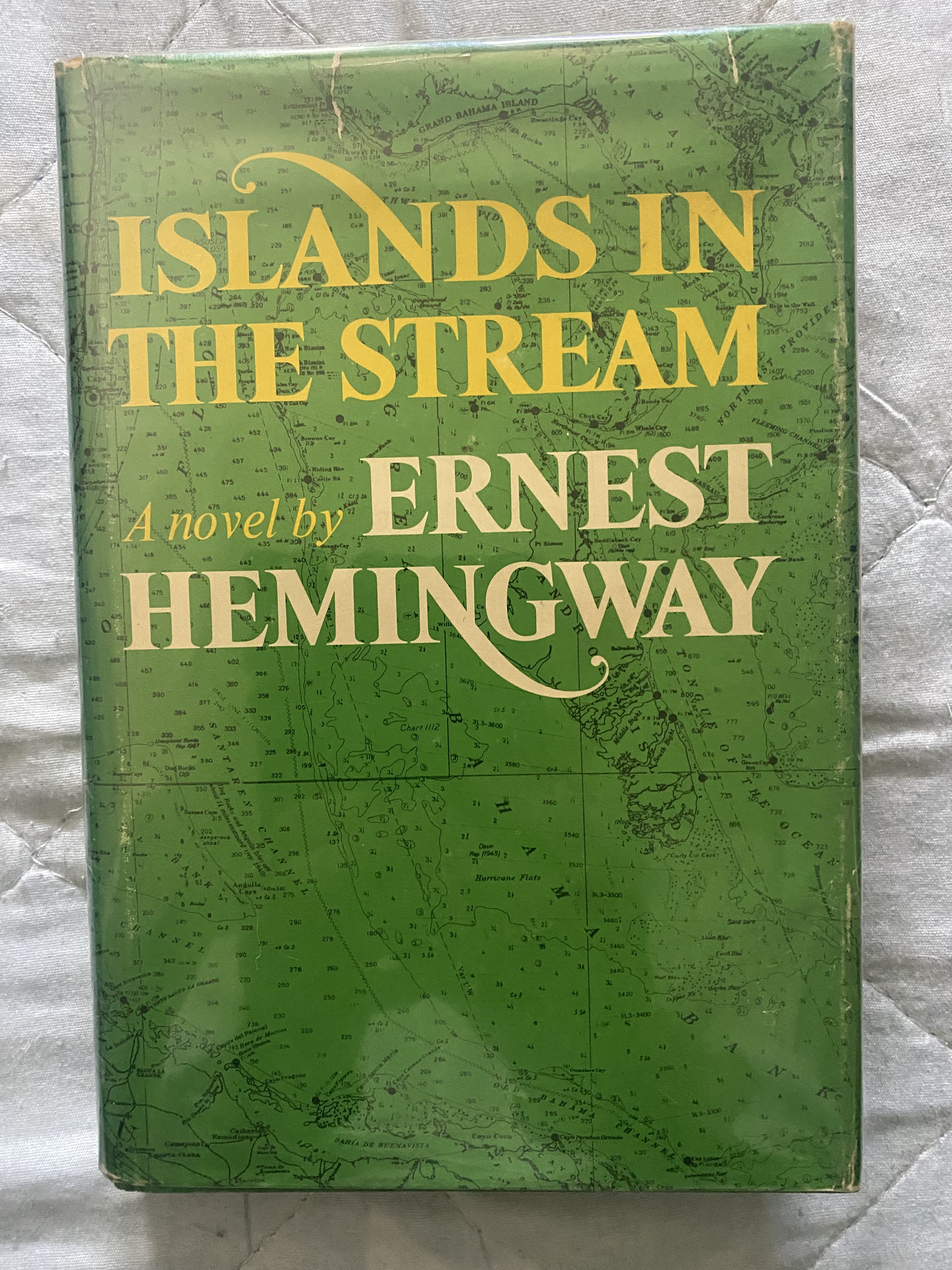
For my taste and interest at this stage of my life, Ernest Hemingway’s Islands in the Stream is of much greater interest to me than his fiction. Hemingway’s non- fiction, while he labeled it [my words] a fictionalization of Truth, carries the weight of his trademark esthetic style combined with an adroit juxtaposition of the biographical elements of his life, all embedded in three novelas called Bimini, Cuba, and At Sea.
Bimini was Hemingway’s first home in the Gulf Stream, which for decades played an important role in his search for worldclass sport.
Bimini and Cuba became his long-term homes. At Sea is a rollicking, action packed tale of World War II sub-chasing. Bimini is a revealing picture of the inner life of Thomas Hudson, a painter, whose three sons are visiting him for the summer. Cuba follows Hudson on his move to Cuba and includes a vivid portrait of Hudson’s lifestyle and escapades with a cast of Hemingway-type characters. I have to say the portrait of Hudson in Cuba is replete with sketches of Hudson as an unadmirable soul who survives on alcohol. On the other hand, this book counts as another of Hemingway’s nonfiction books that is loaded with gems of literary and esthetic criticism. For someone who constantly put down critics throughout his life, Hemingway himself never stopped criticizing and dispensing corrective wisdom.
Green Hills of Africa
Posted: August 25, 2026 Filed under: writers Leave a commentAfter reading True at First Light by Ernest Hemingway, I read his earlier “fictional memoir,” The Green Hills of Africa, which is similar, in the same way that he dramatizes the personalities of the African safari staff; his wife (the second); the safari’s “white hunter,” Philip Percival, who, in both books is Hemingway’s mentor and faux father figure; and several of the native Africans, who by the second book have become distinct characters who play off Hemingway’s persona. In Green Hills, that persona is embarrassingly raw, petty, vindictive, rude and child-like, along with his admirable traits which are dominated by uncanny, acute observation, his precision of language, emotions, and his stated goal of creating an effective, dramatic story out of presumable truth and reality. He clearly succeeds.
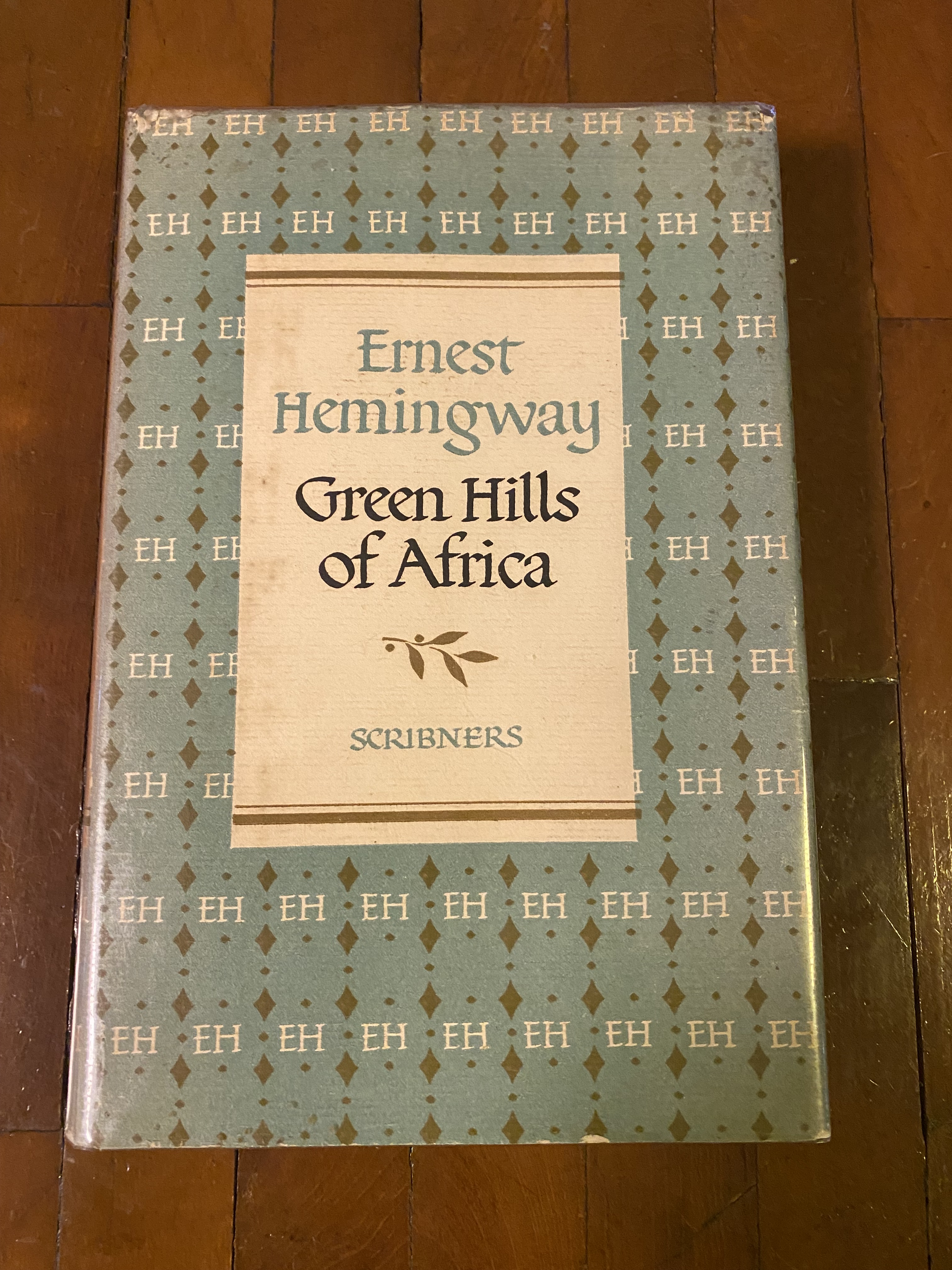
The two African books set a later standard for similar approaches by Norman Mailer and Truman Capote, who clearly took the two Hemingway memoir books as models for so-called nonfiction “novels.” Among Hemingway’s best traits in both of his books is that he does not withhold his genuinely repulsive traits, along with other characters’, and he skewers himself repeatedly, which you can only admire.
The later Hemingway — next on my list is his Islands in the Stream –has put together a series of books that further extend is mythological persona and creates a body of work that belies early criticisms and shows a much more sensitive and domestic side to his life.
As Edmund Wilson said these later Hemingway books will certainly assume greater prominence as time goes by.
True at First Light
Posted: August 18, 2026 Filed under: writers Leave a comment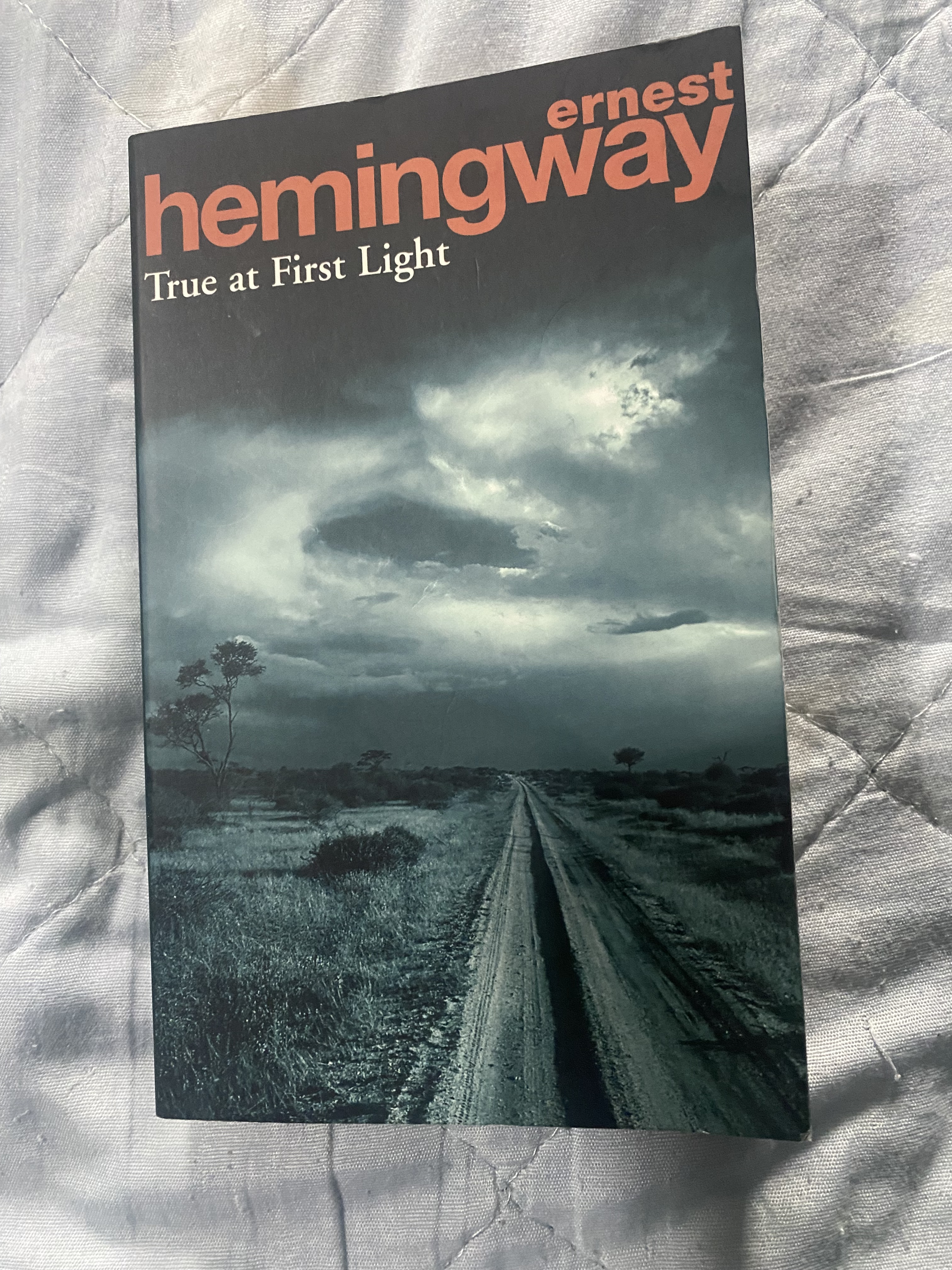
I’ve just finished my third reading of True at First Light, published in 1999. It is described as a “fictionalized memoir,” and my recent reading opened up my understanding of the book in startling ways. In significant ways it is a precursor to A Moveable Feast and an eerie foreshadowing of what was to unfold in Hemingway’s actual life: that is the serious injuries that he suffered in a real-life plane crash at the end of the trip to Africa, which gave him the material for this book. It is so revealing. He paints indelible portraits of two women, “Mary,” the name of his actual wife, and “Debba,” his fictionalized African “wife.” There is a great deal about literature, well-known writers, and a section about Paris that even includes the phrase “A Moveable Feast.”
But, as always, there is the sustained intellectual ferocity of Hemingway’s prose – taut, precise, and unstoppably absorbing. The portraits of the landscape, the weather, hovering mount Kilimanjaro, the animals, the birds, the African characters and camp life have made this Hemingway book my all-time favorite. Hemingway has often been accused of being unable to write about women. Read this book to refute that…
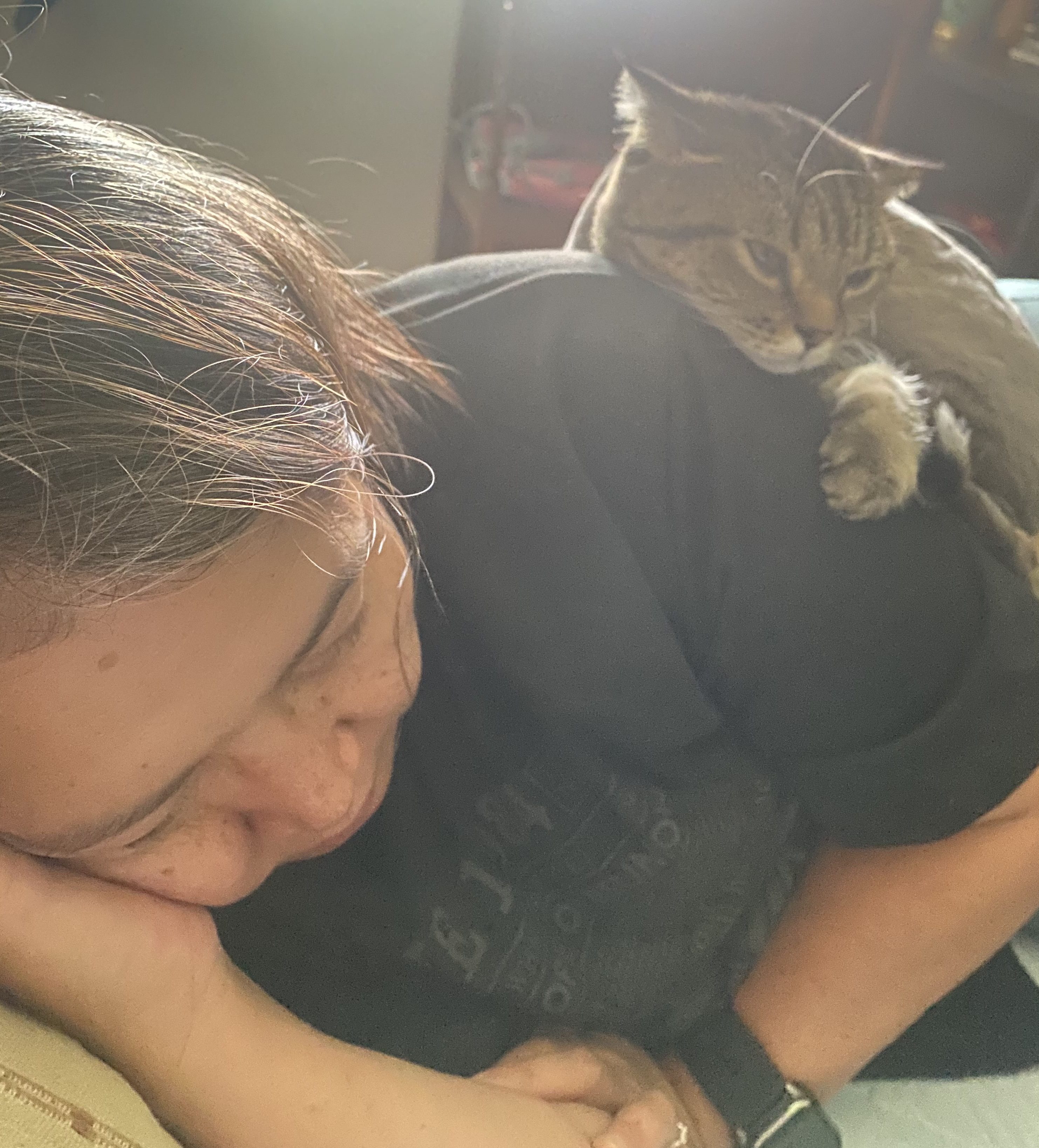
Laddawan Hamric and one of her five cats
Posted: August 14, 2026 Filed under: Uncategorized Leave a commentI’m experimenting with posting images and text, and it is very confusing to me at this stage. Bare wth my practicing for a while, but I will try to make the posts (more useful that the image to the right). The cat’s name is Cindy.
Hello, I will restart this journal in the coming days.
Posted: August 10, 2026 Filed under: Uncategorized Leave a commentAfter a break of several years, I plan to restart this journal. My time has been split with other pressing duties. The most time consuming was the writing and publishing of four books.
The most recent book is titled Zen Poetry. All four books are available at Amazon books or by clicking on one of the four images at the top of this journal (see Above).
Chief among my new duties is to relearn how to use the WordPress tools to make the new journal appear the same as the older version, or as seamless, at least, as I am capable of at this stage. To say that I am “rusty” doesn’t remotely catch how intimidating the WordPress process appears to me at this stage. But this inaugural post (if completed successfully) is a heartening first step.
One thing I have committed to is to use shorter versions of many stories. The stories in the old journal will remain as they are, too many stories are ridiculously long, but the new writing will be more in line with common sense in terms of the time most readers have to give to a journal such as this.
I will be deleting many outdated addresses. Please email me if your address or other information needs updating or you wish to delete other information.

