
Searching for Hunter S. Thompson in Laos
Posted: January 7, 2026 Filed under: Uncategorized Leave a comment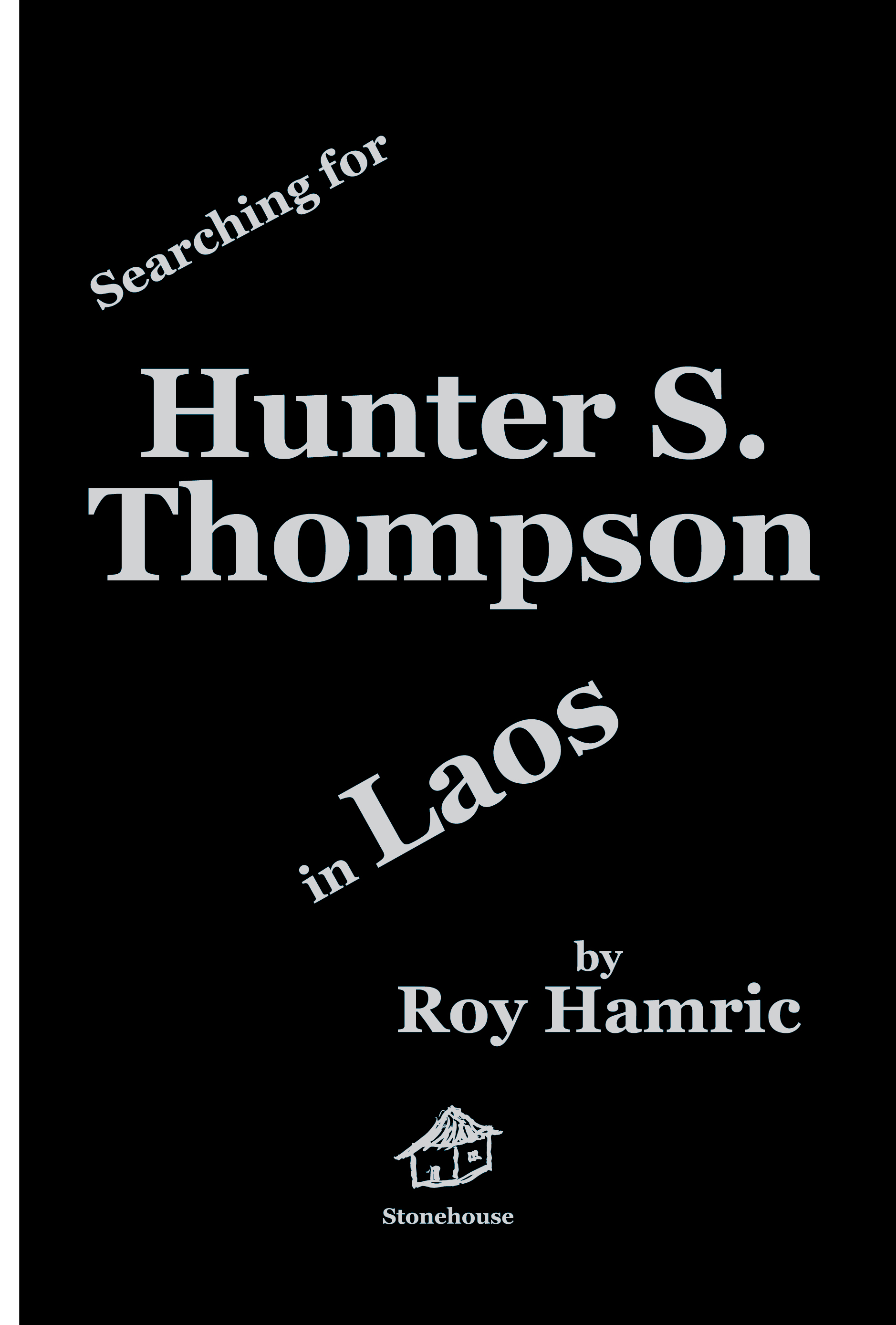
Searching for Hunter S. Thompson in Laos, and other essays on the Asian road, is an autobiography of a life lived in Asia. Hunter S. Thompson made a little known visit to Vientiane, Laos, and Hong Kong in 1975, only a few weeks before the fall of Vietnam. Writer Roy Hamric tracked down and talked with people who met with Thompson and he gives readers a vivid picture of a frustrated Thompson in Hong Kong and Vientiane. His account adds to the picture of one of America’s premier journalists.
Other essays bring to life the writers Red Pine, Gary Snyder, Jim Harrison, Thomas Merton and the author’s immersion into Buddhism and Asian culture since his marriage to a Thai village girl.
My autobiography and essays on Asia can be ordered from Amazon in hardcover, paperback, and e-book.
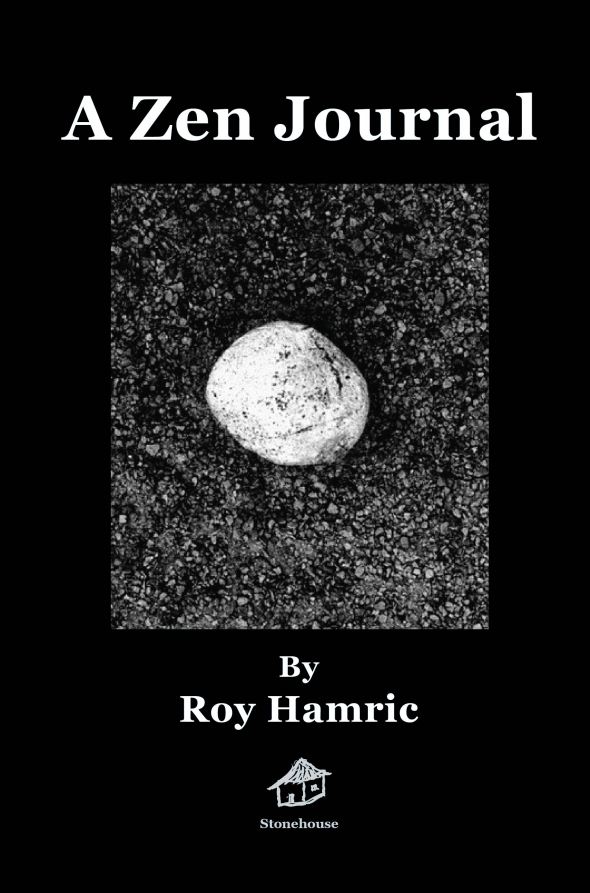
Also see Backwoods Churches of the Big Thicket and A Zen Journal at Amazon.


Red Pine’s Stonehouse poems
Posted: May 26, 2021 Filed under: Uncategorized Leave a comment
An early copy of Red Pine’s Stonehouse poems that was printed in Taiwan. It’s still in print in a modern edition.
Jim Harrison
Posted: February 4, 2021 Filed under: Uncategorized 2 CommentsWe are each
the only world
we are going to get.
–From Returning to Earth
New Empty Bowl books by Red Pine
Posted: January 25, 2020 Filed under: books, Buddhism Zen, people, states of mind, writers Leave a comment
Three new chapbooks by Red Pine’s Empty Bowl Press. Order at Amazon.
Emerson on the books we read
Posted: January 12, 2020 Filed under: books, people, time and space, writers Leave a comment
“I cannot remember the books I read any more than the meals I have eaten, even so, they have made me.”
A New Edition of David Loy’s Non-Duality, A Classic
Posted: January 4, 2020 Filed under: Buddhism Zen, people, religion, states of mind, writers 1 Comment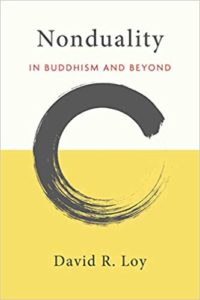
Loy’s book is essential for anyone practicing some level of Zen, Buddhism, Taoism, or a student of the writings of Heidegger or the Japanese philosophers related to the writings of Suzuki, Abe, et al. Loy was a student in Yamada Roshi’s Sanbo Kyodan lineage. The new edition has a revised introduction and notes; it is published by Yale University Press.
Richard Poirier and Stanley Cavell: two inspired guides into deepest Emerson
Posted: December 24, 2019 Filed under: books, people, poetry, states of mind, writing Leave a comment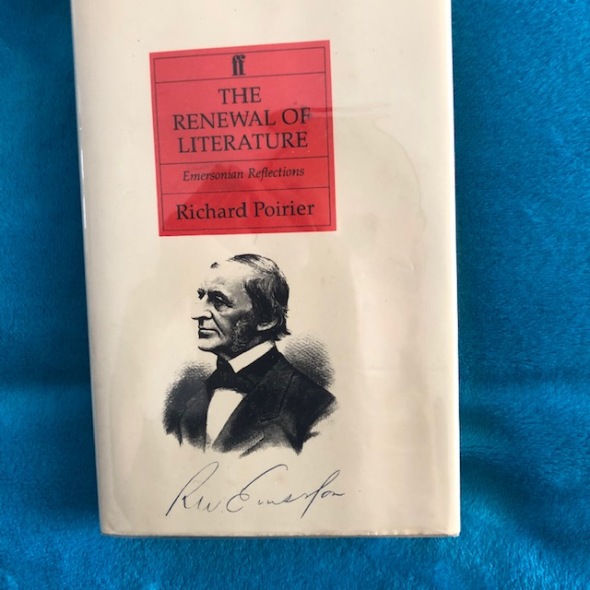
“Emerson says now and then that language might lead us back to human origins, that ‘language,’ as he says in ‘The Poet,’ is ‘fossil poetry.’ This implies that there are discoverable traces in language of that aboriginal power by which we invent ourselves as a unique form of nature. Frost in an Emersonian mood ends the poem ‘All Revelation’ with a tribute to this human inventiveness:
‘Eyes seeking the response of eyes
Bring out the stars, bring out the flowers,
Thus concentrating earth and skies
So none need be afraid of size.
All revelation has been ours. ‘”
D.T. Suzuki jottings
Posted: October 21, 2019 Filed under: Buddhism Zen, people, states of mind, writers Leave a comment
This is part of several fragments and notes jotted down on the back of an envelope by D.T. Suzuki and published in The Eastern Buddhist in Vol XXXIII No. 2 in 2001. They were immediate flashes of his inner experience and understanding as contrasted with the careful prose found in his essays and books.
 the roy hamric journal