
Why Bodhidharma Came to China
Posted: February 13, 2014 Filed under: buddhism, photography, sight seeing, states of mind Leave a comment
The Setting Sun, copyright Robert Crosby
I’ll explain in detail
why Bodhidharma
came to China:
Listen to the evening
bell’s sound. Watch
the setting sun.
– From A Zen Forest: Zen
Sayings.
Time and Space
Posted: February 10, 2014 Filed under: photography, places, time, space Leave a comment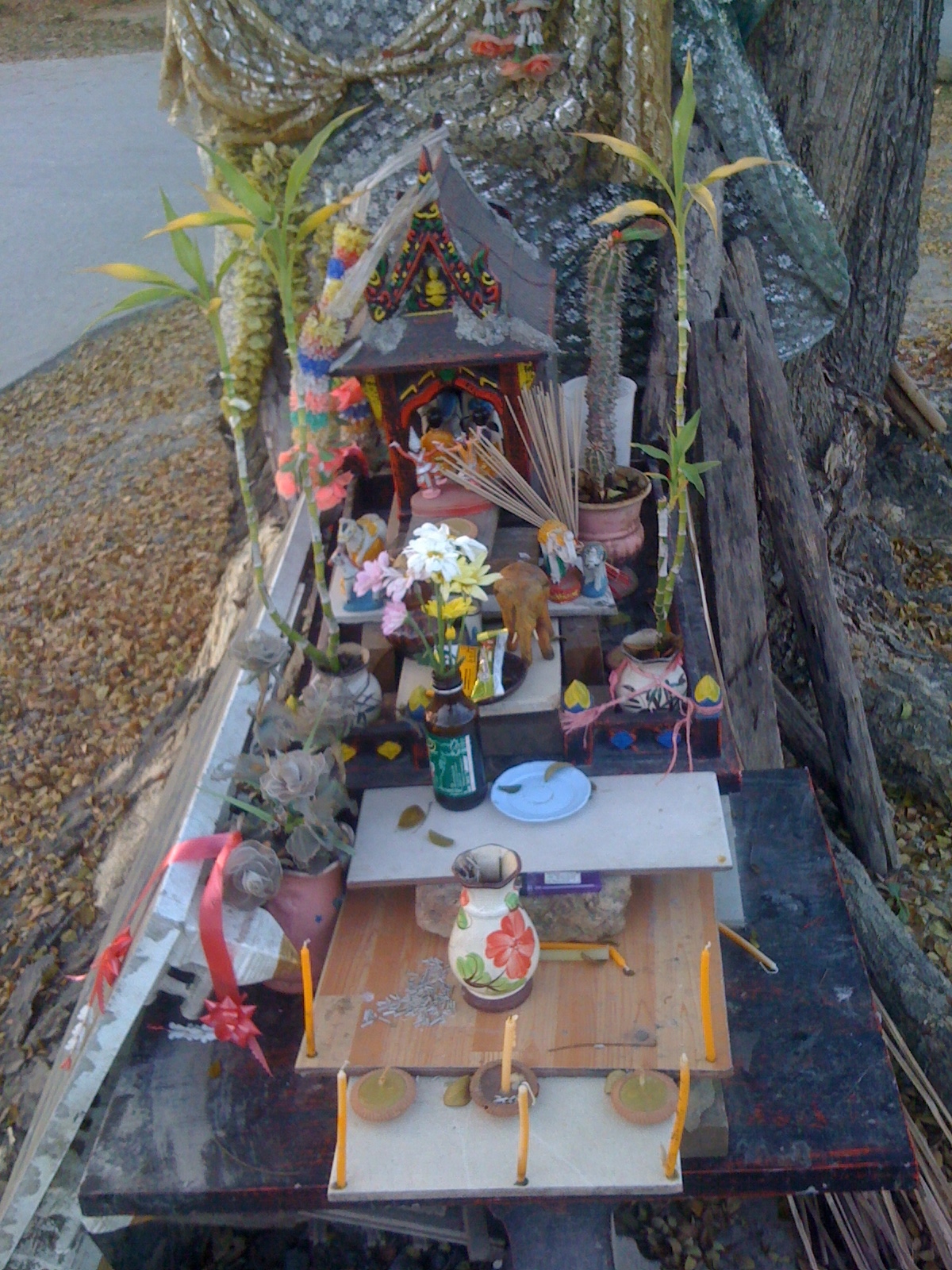
A spirit house at the base of a tree. Sunday, 6:30 p.m., February 9, 2014; IPhone
Yellow River Odyssey Photograph by Red Pine
Posted: February 8, 2014 Filed under: books, buddhism, people, photography Leave a comment
Photography copyright by Bill Porter, aka Red Pine
A photo and caption from Bill Porter’s “Yellow River Odyssey,” now scheduled to be released in May 2014:
“I was on my way from Hong Kong to follow the Yellow River from its mouth to its source and couldn’t resist the temptation to stop in Shanghai for the China Coast Ball. This annual bacchanal was organized by and for the Hong Kong expatriate community, and it was normally held in March at the Belle Vista in Macao. But in 1991 the Belle Vista was being renovated, and the organizers turned to the Peace Hotel in Shanghai as a suitable replacement. The Peace had been boarded up during the Cultural Revolution, and the splendor of its art-deco interior had survived intact.”
Big Bend Burro Lady, Judy Magers
Posted: January 25, 2014 Filed under: people, photography, places, writing 1 Comment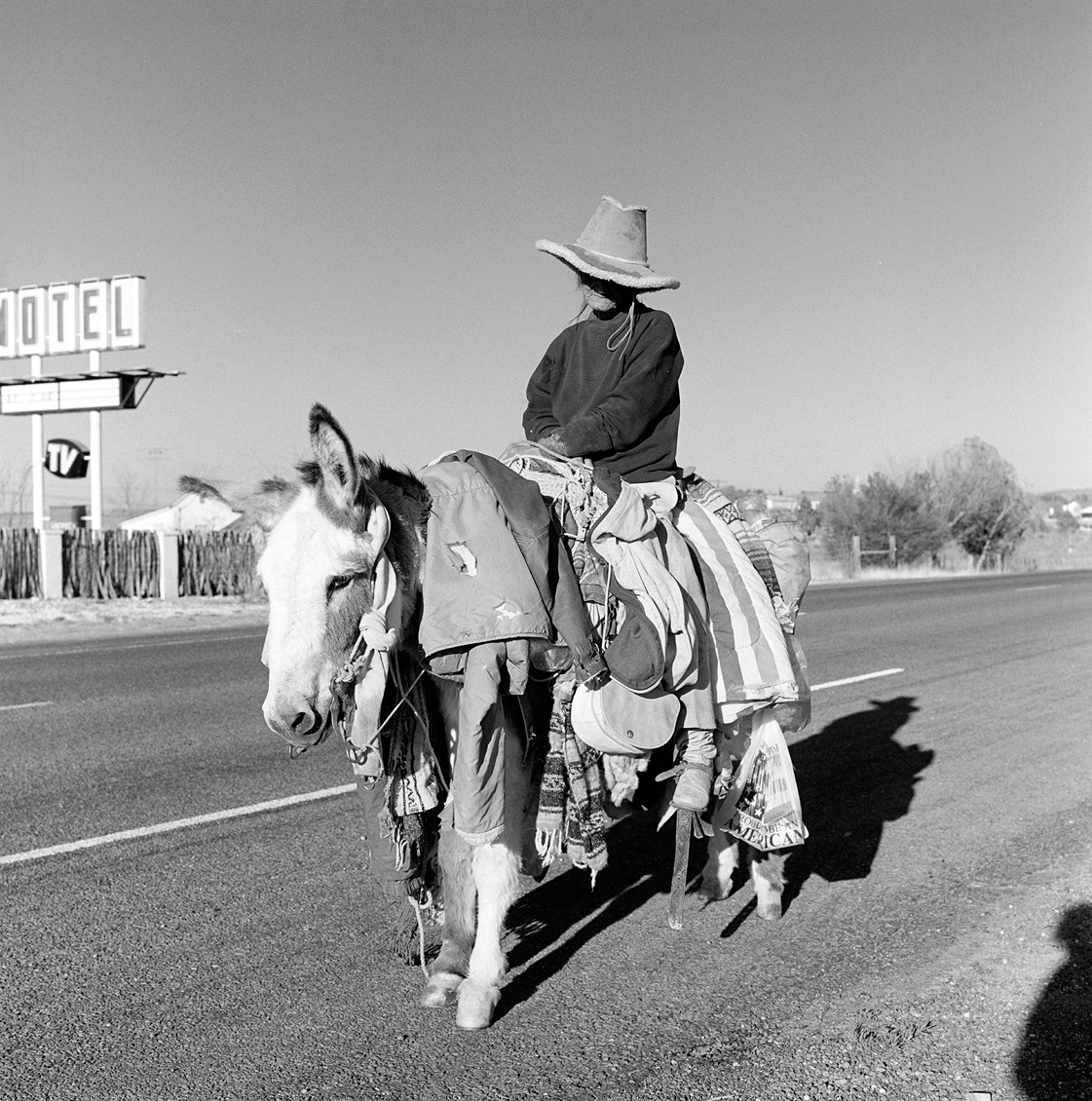
The Burro Lady of Big Bend; photograph copyright James Evans
By Roy Hamric
For decades, most folks in Far West Texas at one time saw Judy Magers on her burro riding along the side of the highway or camping next to the road. This story first appeared in 2008 in the Desert Candle, a cultural journal published in Alpine, Texas. Judy died of a heart attack on January 26, 2007, in Sierra Blanca.
We saw Judy about one mile east of Van Horn on Highway 90. She was sitting on the ground on the side of the road under a small tree and eating food with her fingers. A harsh, cold wind was blowing. Several plastic bags flapped loudly, caught on the barbed wire strands of a fence behind her. Her burro was still saddled, head down, bedecked with the rainbow-colored blankets and brightly colored strings that made it look like a psychedelic, walking Christmas present. The burro carried an assortment of blankets, ropes, bottles and storage bags that represented Judy and her way of life as a vagabond, a mysterious spirit with no home. She lived under the stars.
“Hi, how are you? Can I talk to you?” Laddawan, my Thai wife, asked through the car window. Judy nodded. We got out and Laddawan went over to her and sat down beside her. Laddawan’s puppy followed her and nestled down beside them.
Judy wore three or four coats. She had on white plastic boots with silver spurs. She wore a tight, white plastic skullcap that came down over her ears, making her look like a medieval apparition from a painting by Hieronymus Bosch. The skin on her face was swollen and raw and colored brownish red from the wind and years of living outdoors.
“Do you want some water?” Laddawan asked.
“No, thank you. I have some water.”
“Are you ok? What’s your name?”
“My name’s Judy. You have a beautiful puppy.”
“Yes, he is my baby. His name is Roxy. How old is your donkey?”
“Eight years.”
“Male or female?”
“Male.”
“Can I touch him?”
“Don’t get too close to him, because he might kick.”
“Oh, ok.”
“How old are you?” Laddawan asked.
“How old are you?” Judy asked.
“I’m 35.”
“I’m 29,” Judy said, smiling.
Laddawan laughed. “I’m from Thailand. I’m very interested in you. I like to talk with people – it makes me happy, because sometimes when I am alone I feel sad and homesick.
“You have to buy a radio,” Judy said.
“Do you have a radio?”
“Yes,” she said. “I have a small transistor radio.”
“And you listen to it?”
“Sometimes. I like Mexican music at night.”
“Do you have a problem with animals—tigers, javelina?” Laddawan asked.
“No,” Judy said. “I’ve never had a problem”
“Where are you going?”
“I’m lookin’ for some land to buy,” Judy said. “I hear they have cheap land over around Sanderson.”
“Why do you want land? Just to put some things?”
Judy nodded.
Judy said she roamed the lonely highways as far south as Terlingua near the Mexico border and from Sanderson to Van Horn to Fort Hancock.
“I don’t stop too much,” she said. She said she could average 12 to 15 miles a day, riding or walking alongside her burro.
“Can I take a picture with you?” Laddawan asked.
“You can take a picture of the burro, but I don’t want my picture taken.”
Judy got up and began fiddling with a rope tied to a fence post while I took a picture of her burro.
“If I see you later, can I talk to you again?” Laddawan asked.
“Ok”
Laddawan reached over and tried to shake Judy’s hand, holding two of her fingers.
“Ok, you have a good day,” Laddawan said. “I want to stop and talk to you whenever I see you. It’s nice to meet you.”
“Nice to meet you, too,” Judy said.
Back in the car, we made a U-turn across the highway, and Laddawan waved goodbye.
“I want to be friends with her,” Laddawan said, smiling. “Maybe someday I will live like that – a wandering nun.”

Judy camped on the side of the highway near Van Horn; photograph by Roy Hamric
Time & Space
Posted: January 12, 2014 Filed under: photography, time, space Leave a comment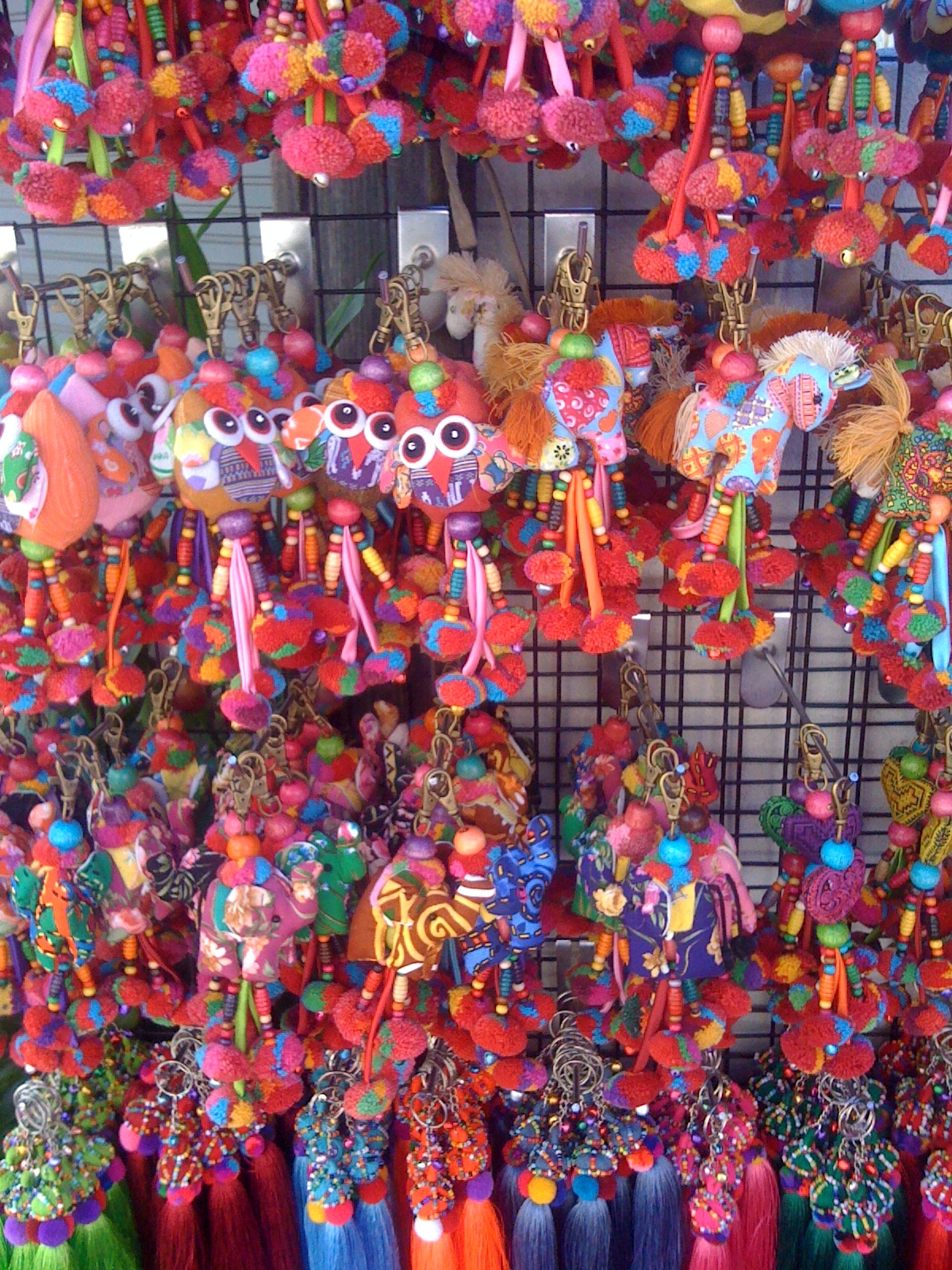
Sunday, 9:38 a.m., January 12, 2014. Small world of colour. IPhone
Time & Space
Posted: January 4, 2014 Filed under: buddhism, photography, states of mind, time, space Leave a comment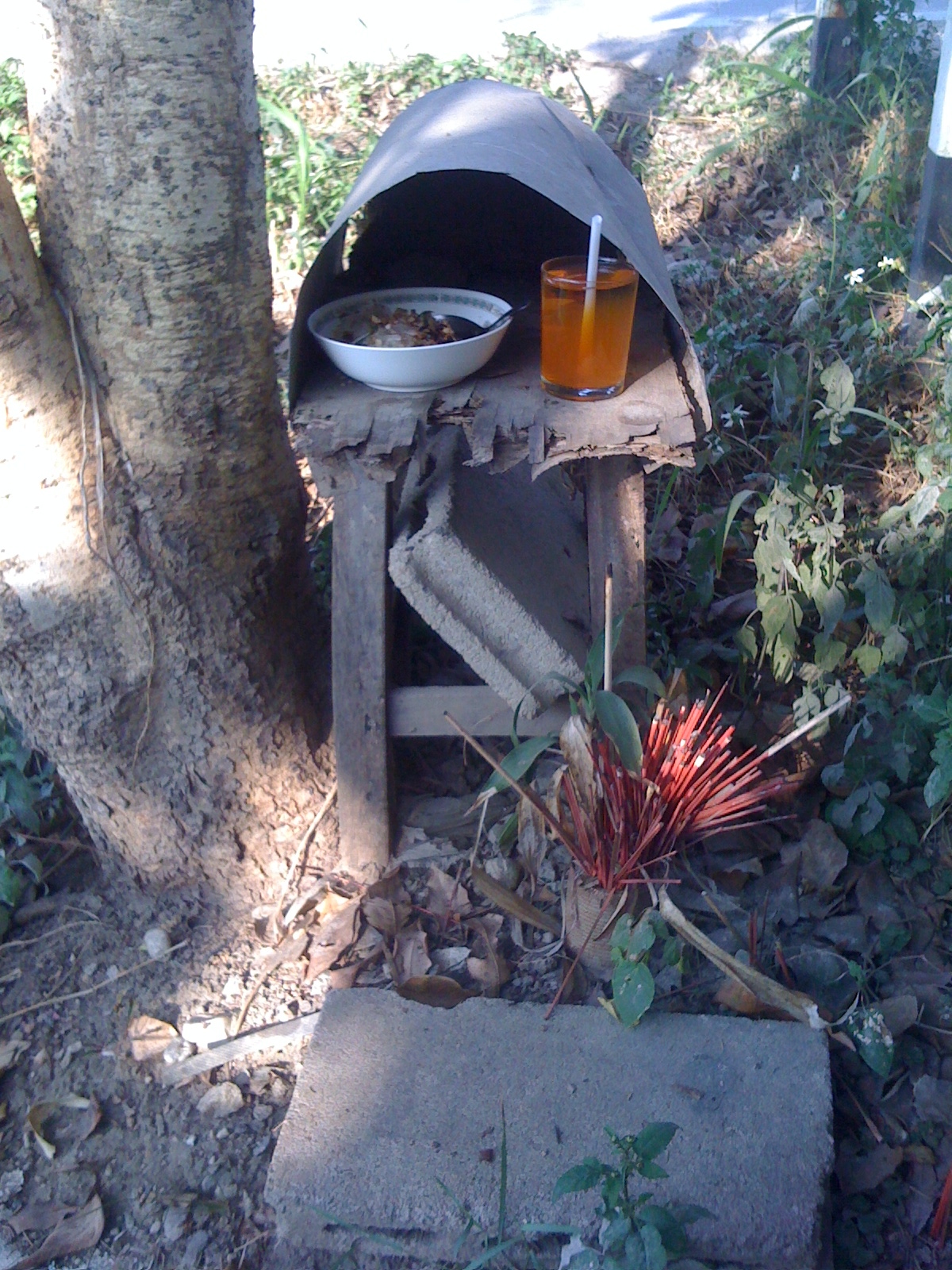
Saturday, 1:45 p.m., January 4, food for the spirits. iPhone
Time & Space
Posted: January 3, 2014 Filed under: photography, sight seeing, time, space Leave a comment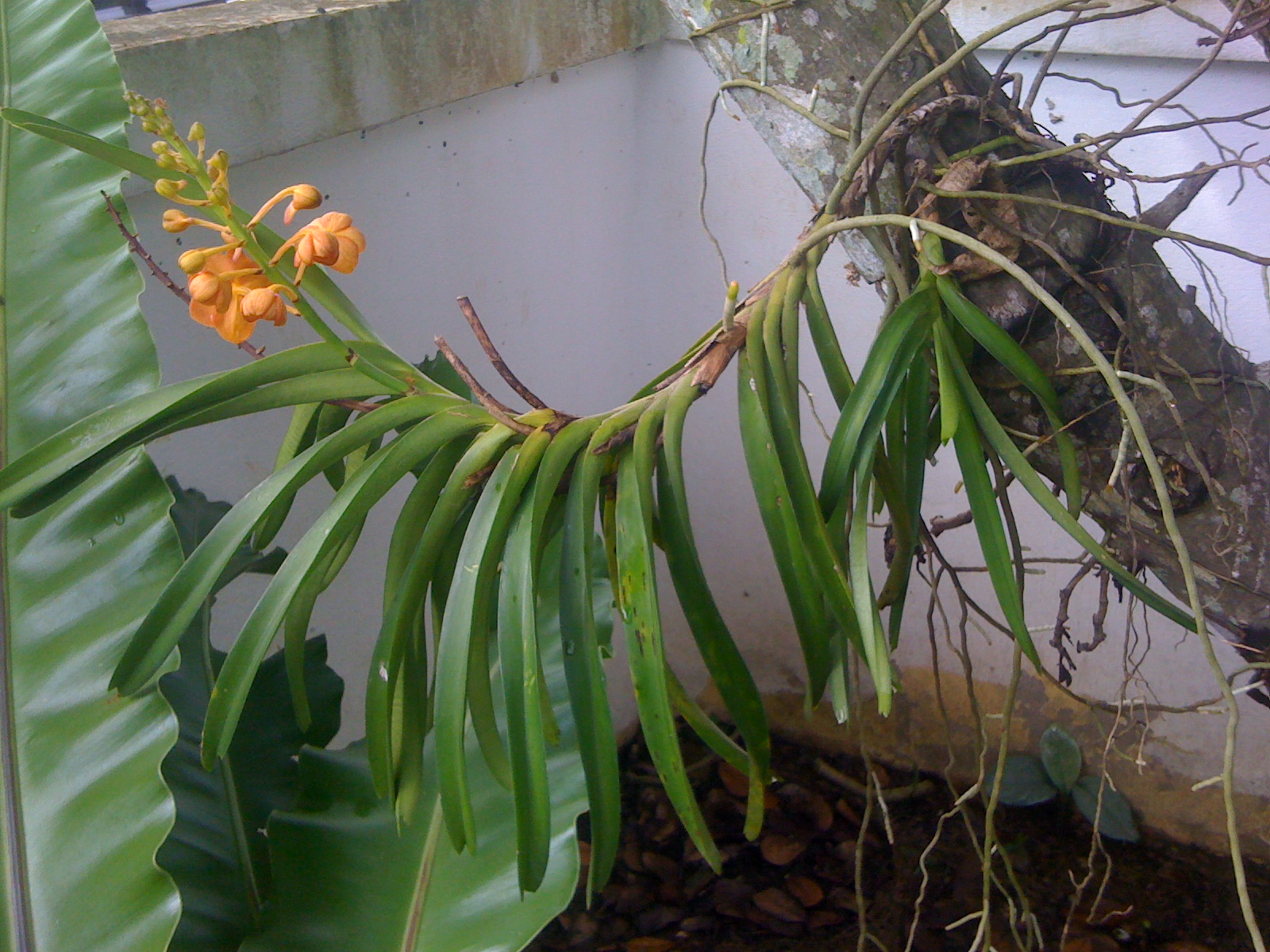
Friday, 3:07 p.m., January 3; Iphone
Nearly back in the game…
Posted: March 14, 2013 Filed under: photography Leave a comment
I haven’t posted regularly lately because I’m in the final stages of finishing a long overdue travel book. I’m printing out some paper copies for final copy editing now and should be back in the game in another week or so.
Henri Cartier-Bresson’s birthday
Posted: August 23, 2012 Filed under: people, photography, sight seeing, states of mind 1 Comment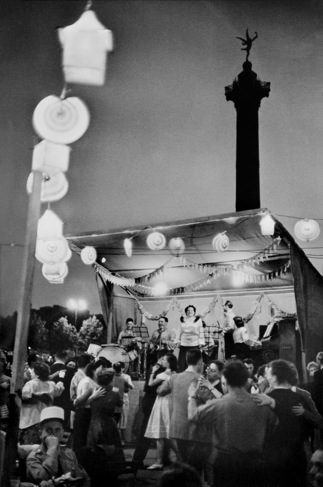
Bastille Day Ball, Place de la Bastille square, Paris, France, 1952. Bresson taught many of us how to see everyday scenes as not so ordinary. It all had to do with his ability not to see the “subject” but the subjects. There’s been no one quite like him. He could do his art in all situations, wherever he found himself. Truly an extraordinary artist.
Jack’s Bongo Car
Posted: June 9, 2012 Filed under: photography Leave a comment
A painted section on Jack’s Bongo Car
 the roy hamric journal