
Red Pine’s Yellow River Odyssey
Posted: January 7, 2014 Filed under: articles, buddhism, people 1 Comment
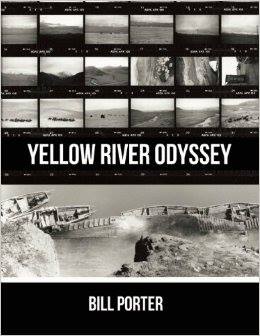
Bill Porter, aka Red Pine, has a new book scheduled to be released in February 2014, titled Yellow River Odyssey. It’s a collection of photographs and recollections of a trip along the river when China was just beginning to open up in small ways. The book is published by a great, small publisher called Chin Music Press based in Seattle. It is a bestseller in China, where it was first published.
I’ve also just come across a fan Facebook page for Porter, which you can see here.
Here’s the Amazon blurb on the book: “Bill Porter follows the Yellow River, the world’s sixth longest river, from its mouth to its source high in the Tibetan Plateau, a journey of more than three thousand miles through nine Chinese provinces. The trip takes the master translator into what was once the cradle of Chinese civilization and to the hometowns and graves of key historical figures such as Confucius, Mencius, Lao-tzu, and Chuang-tzu. Porter’s depth of knowledge of Chinese history and culture is unparalleled. Yellow River Odyssey, already a bestseller in China, reveals a complex, fascinating, contradictory country. Porter masterfully digs beneath China’s present-day materialism and the deep wounds of the Cultural Revolution to get at the roots of Chinese culture.”
Where’s Roxy Gordon?
Posted: January 5, 2014 Filed under: articles, buddhism, people, poetry, writing 2 Comments I looked for Roxy Gordon’s website today, and couldn’t find it. I’ve written his wife, Judy, for more information. I still can’t write about Roxy, who’s dead and buried outside of Talpa, Texas, near his “house up” home/campsite in West Texas. It’s one of those small, flat-top hills with the mesquite-desert spaces in between. Roxy was a writer-artist-musician-poet. Even more important, he had what Indians call medicine. People in Asia would say he was a man of The Way. He knew some things.
Here’s a link to Smaller Circles, his poem/talking word song (also the title for a book of poetry).
Here’s a poem/talking word song Indians.
Here’s a story written upon his death by a Dallas friend.
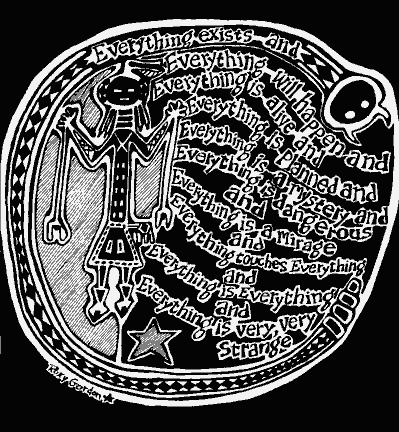
 Roxy Gordon, Dallas, circa 1980s
Time & Space
Posted: January 4, 2014 Filed under: buddhism, photography, states of mind, time, space Leave a comment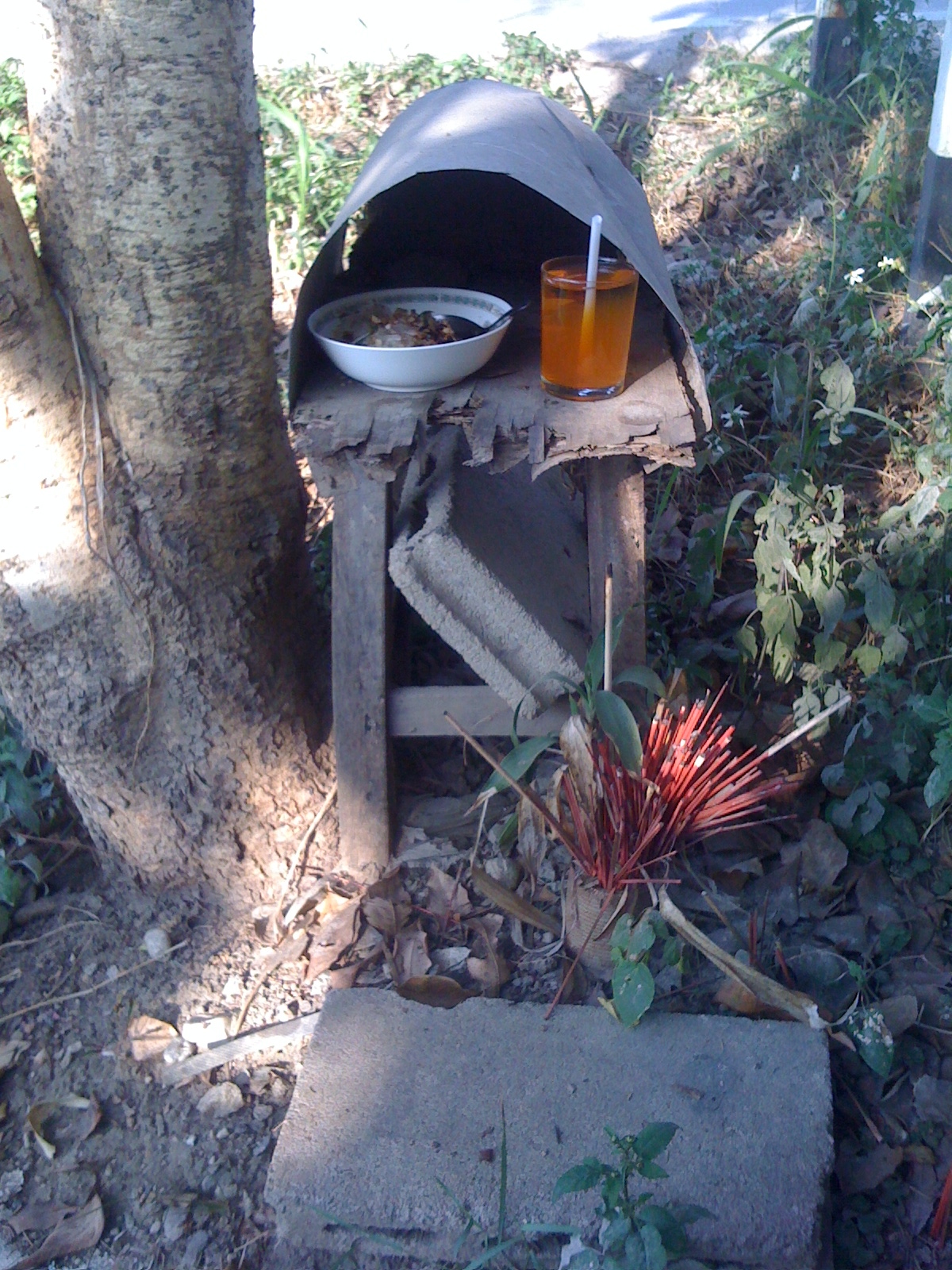
Saturday, 1:45 p.m., January 4, food for the spirits. iPhone
Finding Now
Posted: August 27, 2012 Filed under: buddhism, places, poetry, time, space, writing 3 CommentsFinding Now
Well, yes – exactly – that is the problem.
All travelers experience it
at each step on the Way. Is it
here, there, up, down,
backwards, forwards, all around,
or somewhere else? How are we to know,
if it doesn’t tell us so?
We all have our maps, but they are the
artifacts rubbing our noses in it.
My worn map I drew myself. I traced
a line from Birchman Street in Fort Worth
through dark caves as a Boy Scout, to Saigon
(and flowing dresses) to Ubon and
Thailand’s temples to Third Street in Denton –
a college town – to Dallas (there’s the dead president)
to Arlington to Thailand again and Laddawan – to Denton
(the college town again) to Waco – a crazy town –
to Alpine and the airy Big Bend where I met and lost
so many friends, to here and now in Chiang Mai.
Ok, just breathe deep and let go.
That’s as close as I can get to it.
gary snyder interview: know nature
Posted: July 29, 2012 Filed under: articles, books, buddhism, people Leave a comment
A Gary Snyder interview I did more than a year ago that appeared in the The Kyoto Journal #76 issue in July 2012 is here.
For Dead Tom Copeland
Posted: July 22, 2012 Filed under: buddhism, people, poetry 1 CommentI found your clear, plastic ruler
between the pages of a book
I bought for $2. Oriental poetry.
The Way.
Your straight lines in black, red and green,
the stars and brackets marking
the words of Li Po that fired your mind.
From the margins your ideas rise so clear.
“Do nothing – not nothing to do.”
Text and notes joining here and now
in my mind, measuring, marking
studying the way Li Po and you and me
joined mind to Mind.
Red Pine in New York Review of Books
Posted: May 30, 2012 Filed under: books, buddhism, people, poetry Leave a comment Red Pine, aka Bill Porter, has a couple of new books underway in various stages of completion. An article in the New York Review of Books runs down his latest activities, including the receipt of a Guggenheim grant, which is so well deserved.
In the NYRB article, he was asked by a Chinese man to explain what is Zen:
“Zen is like a cup of tea,” he replied “On one level you can see the teacup and you can admire it. You can look at the tea and admire it and its flavor. But then you have to drink it. When you drink it you have the real cup of tea. But what is it? It’s gone: it’s the memory of the taste, the sensation in your mouth.
“China has a great Olympics program but not everyone in China should train for six hours a day. Likewise, being a hermit is not for everyone. It’s like spiritual graduate school.
“You spend most of your time chopping firewood and hauling water. This becomes part of your practice. Many people go in the spring and leave in the autumn. They don’t have the spiritual practice to sustain them during the winter.
“A man, somewhat perplexed, stood up: “You are a westerner, of course, and in the United States Christianity is the main religion. But you practice Buddhism. Can you explain why?”
“Porter paused for a few seconds, sensing that the man might be one of China’s burgeoning ranks of Christians. Then he said, “Christianity asks you to believe in things that you can’t see: that there’s a god, that he had a son and so on. In Buddhism there is that too—there’s a paradise and so on. But in Zen Buddhism it’s mainly about your mind and your heart. You believe in something that is in your heart. That is something not abstract but real.”
Porter has completed a book on the Silk Road, and he’s working on another travel book about early Chinese poets.
Songs of Unreason
Posted: March 5, 2012 Filed under: books, buddhism, people, poetry, states of mind Leave a commentJim Harrison’s newest poetry book, “Songs of Unreason,” is even more moving that his recent “Saving Daylight,” and “In Search of Small Gods.” The poet in winter, yes, but his mind is still on fire, the fire of recurring youth, and a blending of flowing memories of the last moment and moments far past reborn. When I told my friend Red Pine I was getting the book soon, he said, “I think it is his best ever.” Red Pine knows whereof he speaks, being the translator of Cold Mountain and Stonehouse. Harrison is up there with the discursive giants of poetry. He has uncovered himself as few poets can do. A true voyager between the inner and outer world of mind. Here’s a sample:
Back Into Memory
The tears roll up my cheek
and the car backs itself south.
I pull away from the girl and reverse
through the door without looking.
In defiance of the body the mind
does as it wishes, the crushed bones
of life reknit themselves in sunlight.
In the night the body melts itself down
to the void before birth
before you swam the river into being.
Death takes care of itself like a lightning
stroke and the following thunder
is the veil being rent in twain.
The will to live can pass away
like that raven colliding with the Sun.
In age we tilt toward home.
We want to sleep a long time, not forever,
but then to sleep a long time becomes forever.
A little Emerson
Posted: February 23, 2012 Filed under: buddhism, people, poetry Leave a commentMaia*
Illusion works impenetrable,
Weaving webs innumerable,
Her gay pictures never fail,
Crowd each on the other, veil on veil,
Charmer who will be believed
By man who thirsts to be deceived.
– Ralph Waldo Emerson
*Hindu for illusion.
Sunday in East Texas
Posted: February 12, 2012 Filed under: buddhism, photography, poetry 1 Comment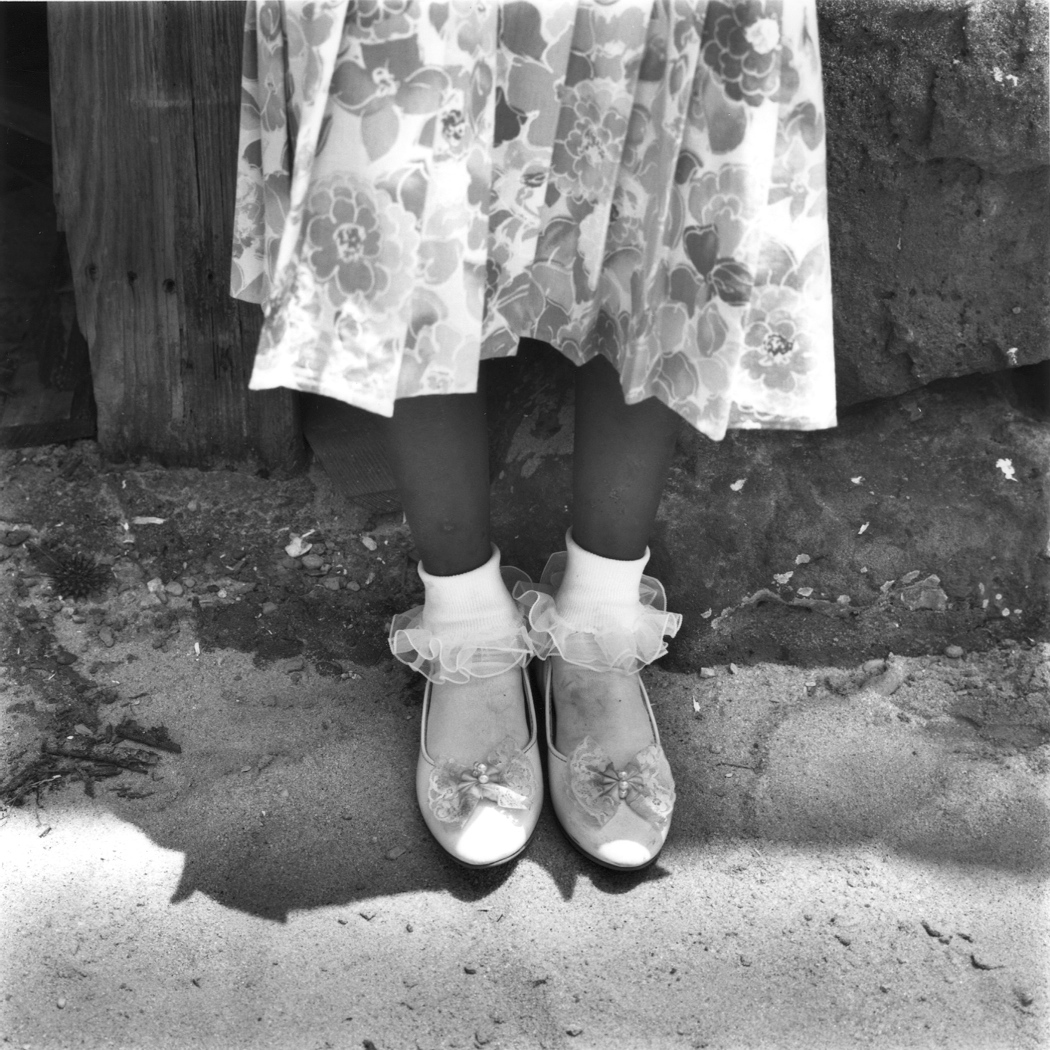
Going to church (photograph by Roy Hamric)
One Encounter:
Once and for all.
–From A Zen Forest
 the roy hamric journal